


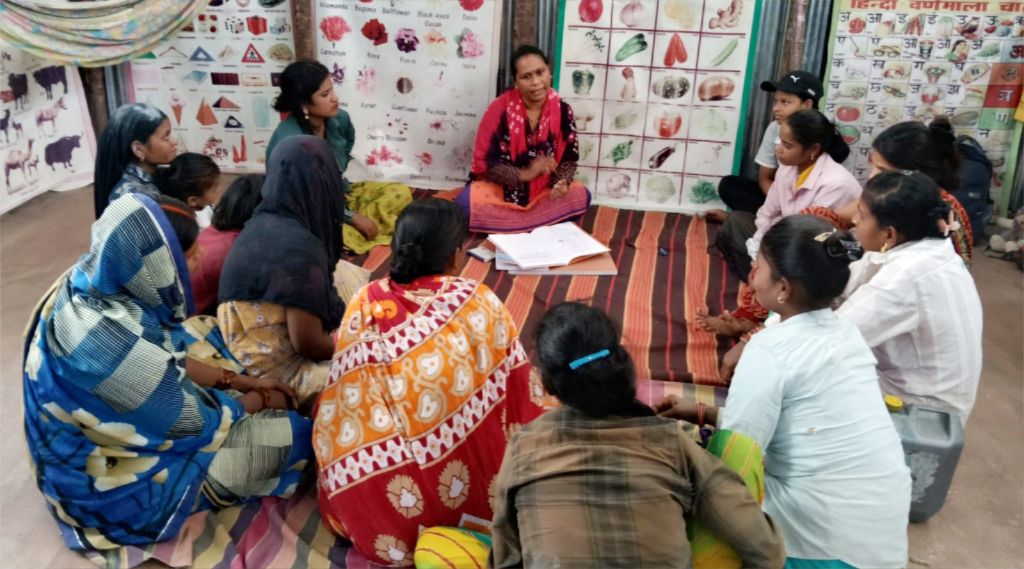
Session for parents: understanding and preventing addiction
In India, as in many parts of the world, substance abuse has a profound impact on people's lives and the fabric of communities. Addictions damage health, affect family relationships, and reduce educational, employment, and economic opportunities for millions of people. As is often the case, the most socially and economically vulnerable sectors have fewer resources to understand, prevent, and address these situations.
In many contexts, the use of smokeless tobacco, such as paan, gutkha, or gudakhu, which are placed between the cheek and teeth, is widespread. Regular use can cause serious health problems, including cancer of the oral cavity, tongue, esophagus, or stomach, as well as cardiovascular disease and low birth weight in newborns. Conventional tobacco is no less harmful.
On the other hand, alcohol is the most widely consumed psychoactive substance in India, even among minors. As alcoholic drinks are sometimes homemade, mass poisoning can occur when alcohol is mixed with toxic substances such as methanol.
Given these circumstances, there is an urgent need to increase awareness, prevention, and access to support resources: ongoing educational campaigns, accessible detoxification centers, and greater attention to mental and emotional health.
At Asha-Kiran, we try to contribute to this work through informational sessions for parents at our Day Care Centers. At these meetings, we clearly explain what addictions are, the different types of substances, and how they affect physical, emotional, and family health. We also reflect on the importance of understanding the consequences of substance abuse and offering children safer and healthier surroundings.
When someone expresses a desire to begin a recovery process, we try to refer them to detoxification centers and follow up on their progress. We know, however, that it's a bumpy road and that relapses are common.
Perhaps, at the root of many addictions, there is a deep pain that finds no other form of relief. As one participant in a social study of a slum admitted, alcohol was for him “the only source of pleasure in a life full of misery.”
This poignant honesty reminds us that the answer cannot be limited to pointing out the problem. We must also work, as a society, to create more dignified living conditions, especially during early childhood and formative years. Supporting, educating, and providing opportunities remains one of the most effective ways to prevent the suffering that leads to addiction.